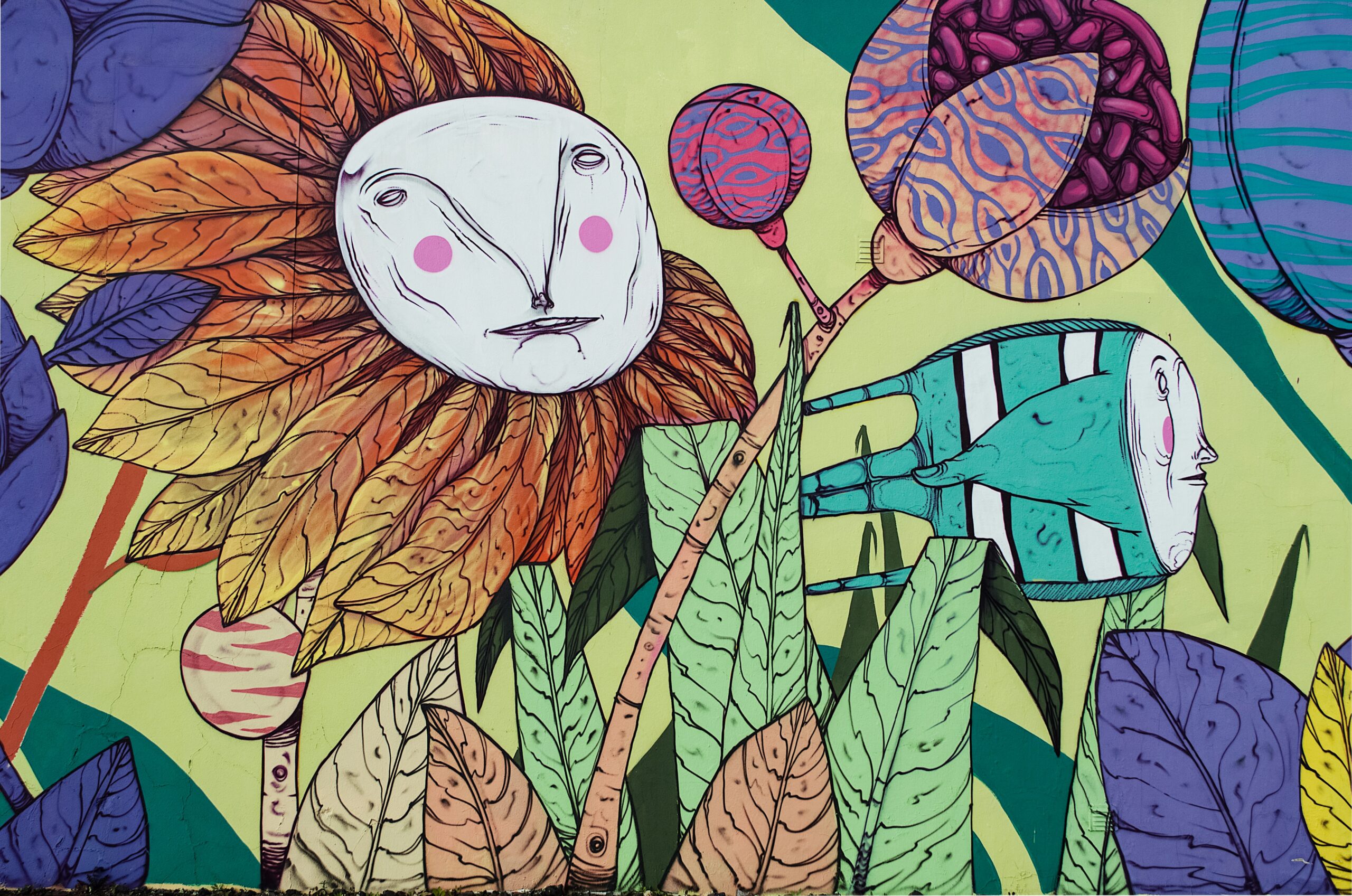
Digital art and animation have completely transformed the way stories are told in today’s visual world. From blockbuster films to indie video games, artists now rely on digital tools to create immersive characters, breathtaking landscapes, and emotionally powerful scenes. This evolution has opened endless opportunities for creators to share ideas in new and exciting ways.
As technology continues to advance, digital storytelling has become more accessible than ever before. Artists no longer need massive studios or traditional supplies to bring their visions to life. Instead, with the right software and creativity, anyone can build captivating visual narratives that resonate with audiences everywhere.
The Foundation of Strong Visual Storytelling
A successful digital story begins with a clear concept and strong artistic direction. Every animation or illustration needs a purpose, whether it’s to entertain, inspire, or communicate a deeper message. Therefore, planning characters, environments, and themes is essential before diving into production.
In addition, visual storytelling depends heavily on emotion and connection. Through the use of lighting, color, and composition, artists can guide viewers’ attention and evoke specific feelings. As a result, digital art becomes more than just images—it becomes an experience.
Essential Tools for Digital Creators
Digital art and animation rely on a wide range of tools that help artists bring their imagination to the screen. Programs like Adobe Photoshop, Procreate, Blender, and Toon Boom provide endless creative possibilities. With these platforms, creators can design everything from simple sketches to complex animated sequences.
Moreover, tablets, styluses, and advanced rendering engines have improved workflow efficiency. Artists can now experiment faster, refine details easily, and explore different styles without limitations. Consequently, the digital creative process becomes both flexible and rewarding.
The Role of Animation in Modern Storytelling
Animation adds movement and life to digital stories, making characters and worlds feel real. Whether it’s 2D animation with hand-drawn charm or 3D animation with cinematic realism, motion plays a vital role in engaging audiences. For this reason, animation continues to dominate entertainment industries.
Furthermore, animated storytelling goes beyond entertainment. It is widely used in marketing, education, and social media content. Because animation can simplify complex ideas while staying visually appealing, it has become a powerful communication tool across many fields.
Developing Unique Artistic Styles
One of the most exciting aspects of digital art is the freedom to develop a personal style. Artists can blend realism with fantasy, combine different cultural influences, or experiment with bold abstract designs. Over time, these creative choices help define an artist’s visual identity.
At the same time, finding a unique style requires consistent practice and exploration. By studying other works and testing new techniques, creators gradually discover what sets them apart. Eventually, this individuality becomes the signature element of their visual storytelling.
The Impact of Color, Lighting, and Mood
Color and lighting are crucial components in creating stunning digital visuals. Warm tones can express comfort or excitement, while cooler shades may suggest mystery or sadness. Thus, artists use color palettes strategically to enhance narrative depth.
Similarly, lighting can shape mood and atmosphere within a scene. Dramatic shadows create tension, while soft lighting builds calmness. In this way, digital artists can subtly influence how viewers interpret and emotionally connect with the story.
Animation Techniques That Enhance Storytelling
Different animation techniques can dramatically change the way a story feels. Frame-by-frame animation provides an expressive, handcrafted look, while motion capture offers realistic movement for characters. Therefore, choosing the right technique depends on the type of story being told.
Additionally, timing, pacing, and smooth transitions are key to keeping viewers engaged. Animators carefully control movement to convey personality, emotion, and energy. As a result, animation becomes an art form that communicates beyond words.
Career Opportunities in Digital Art and Animation
The demand for skilled digital artists and animators continues to grow across industries. Film studios, gaming companies, advertising agencies, and streaming platforms all rely on creative professionals to produce visual content. Consequently, this field offers diverse and exciting career paths.
Moreover, freelancers and independent creators can also thrive thanks to online marketplaces and social media exposure. Artists can build portfolios, connect with clients, and even monetize their work globally. Therefore, digital art has become both a creative passion and a viable profession.
The Future of Digital Visual Storytelling
The future of digital art and animation looks more innovative than ever. Emerging technologies such as virtual reality, augmented reality, and AI-assisted design are expanding creative possibilities. As a result, artists can build immersive worlds that audiences can truly interact with.
In the coming years, storytelling will become even more dynamic and personalized. Digital creators will continue pushing boundaries, blending art with technology in exciting ways. Ultimately, digital art and animation will remain at the heart of creating unforgettable visual stories.
Digital art and animation have revolutionized the way stories are imagined and shared. Through powerful tools, creative techniques, and emotional expression, artists can craft stunning visual experiences that captivate audiences worldwide. As technology evolves, the opportunities for visual storytelling will only continue to grow, making this an inspiring field for both beginners and professionals alike.