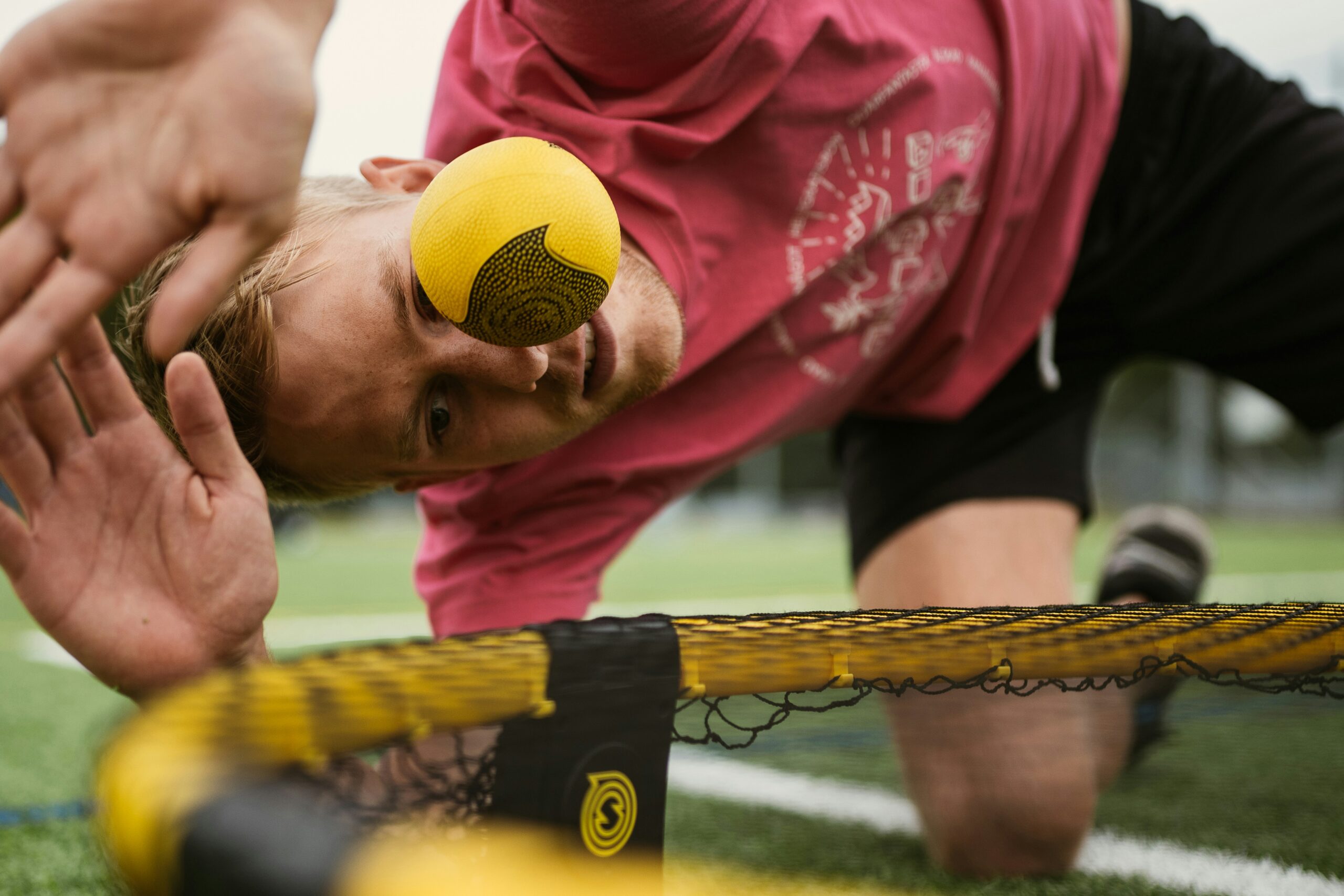
National-level Spikeball competition has rapidly emerged as one of the most exciting developments in modern American sports culture. What was once a casual lawn game has evolved into a highly organized competitive Spikeball scene featuring national championships, structured rankings, and elite athletes. Across the United States, dedicated players now pursue professional Spikeball careers, aiming to dominate national tournaments and climb the official competitive ranks.
The transformation of Spikeball into a national sport reflects its explosive growth and increasing legitimacy. Sanctioned events, professional circuits, and national-level Spikeball rankings have reshaped the landscape. As a result, athletes must now combine advanced Spikeball strategy, high-performance training, and consistent tournament results to break into the upper tiers of competition.
Building a Strong Foundation
Every national-level Spikeball player begins with mastering the fundamentals. Strong serves, accurate sets, and controlled hits form the backbone of competitive performance. However, consistent repetition and focused practice separate casual players from serious contenders. Athletes dedicate hours to drilling precise ball placement and maintaining tight communication with their partners.
In addition, teamwork plays a critical role in advancement. Since Spikeball is played in pairs, chemistry between teammates can determine the outcome of close matches. Successful teams develop unspoken cues and coordinated movement patterns. As a result, they anticipate each other’s positioning and react instantly during rapid rallies. This seamless coordination often gives them an edge over technically skilled but less synchronized opponents.
Physical Conditioning and Athleticism
National-level Spikeball is physically demanding. While the game may appear simple, it requires explosive speed, lateral quickness, and sustained endurance. Players constantly dive, pivot, and sprint around the net. Therefore, structured strength and conditioning programs become essential for maintaining peak performance.
Many elite competitors incorporate cross-training into their routines. They focus on agility drills, plyometrics, and core strengthening to enhance stability and reaction time. Moreover, injury prevention plays a crucial role in long-term success. By emphasizing flexibility and recovery, athletes reduce strain on their joints and muscles, allowing them to compete at a high level throughout the season.
Beyond raw athleticism, mental toughness also defines success. Matches at the national stage often hinge on narrow margins. Players must remain composed under pressure, especially during elimination rounds. Consequently, mental preparation techniques such as visualization and focused breathing help athletes maintain clarity during intense moments.
Strategy at the National Stage
Strategic complexity increases significantly in national-level Spikeball tournaments. While recreational games often rely on power, elite competition emphasizes placement and deception. Skilled players use cut shots, soft drops, and controlled angles to disrupt defensive positioning. This strategic diversity keeps opponents guessing and prevents predictable patterns.
Furthermore, defensive awareness becomes just as important as offensive creativity. Teams study their opponents’ tendencies and adjust their positioning accordingly. For instance, if a rival favors cross-body hits, defenders shift preemptively to counter those angles. As a result, adaptability becomes a defining trait among top-ranked Spikeball teams.
Another key factor involves serve strategy. At advanced levels, serves are not merely a way to start play. Instead, they serve as calculated opportunities to gain immediate advantage. Players experiment with spin, speed variations, and placement to create difficult returns. When executed effectively, a strong serve can set the tone for an entire national tournament match.
Tournament Structure and Rankings
The pathway to national-level Spikeball recognition involves consistent participation in sanctioned tournaments. These events operate under structured ranking systems that reward performance and consistency. Teams accumulate ranking points based on placement, gradually climbing the competitive Spikeball ladder.
As players advance, they encounter increasingly skilled opponents. Regional qualifiers often act as stepping stones toward larger national championships. Therefore, maintaining steady improvement across multiple events becomes critical. Even a single breakthrough performance can dramatically shift a team’s Spikeball ranking and visibility within the competitive community.
In addition, national tournaments provide exposure to professional Spikeball circuits and sponsorship opportunities. High-performing teams attract attention from brands seeking ambassadors for the sport. This exposure not only supports athletes financially but also strengthens their presence in the expanding world of elite Spikeball competition.
Training Culture and Community Support
One of the defining characteristics of national-level Spikeball is its vibrant and competitive community. Unlike many traditional sports, Spikeball fosters a culture of collaboration and shared growth. Players frequently organize advanced practice sessions, review match footage, and exchange high-level Spikeball training strategies. This collective mindset accelerates development for emerging competitors.
Training culture has also evolved alongside the sport’s rapid growth. Many athletes now follow structured practice schedules, attend elite Spikeball camps, and seek coaching from experienced national competitors. Consequently, the gap between casual play and professional-level Spikeball performance continues to widen. Dedicated athletes invest significant time refining mechanics, serve consistency, and defensive positioning.
Moreover, social media has amplified visibility within the competitive Spikeball scene. Players showcase highlights, share tournament results, and build recognizable personal brands. This online exposure strengthens the sport’s reach while motivating aspiring athletes to pursue national-level goals.
Overcoming Challenges on the Climb
Rising through the competitive Spikeball ranks presents significant challenges. Travel expenses, tournament entry fees, and time commitments can create barriers for aspiring national players. Balancing professional responsibilities with intense training schedules requires discipline and long-term planning.
Nevertheless, resilience separates elite competitors from the rest. Losses at national tournaments can be frustrating, yet they offer valuable insight into strategic weaknesses and technical flaws. By studying match footage and refining game plans, teams turn setbacks into measurable improvement.
Additionally, the evolving nature of the sport demands continuous innovation. As new teams introduce creative serve techniques and defensive systems, established players must adapt quickly. Therefore, sustained success in national-level Spikeball depends on flexibility, analytical thinking, and relentless refinement.
The Future of National-Level Spikeball
National-level Spikeball is entering a new era of professionalization, elite athletic performance, and nationwide recognition. With expanding national championships, larger prize pools, and growing media coverage, competitive Spikeball continues to gain momentum across the United States. As more athletes pursue professional Spikeball careers, the intensity and skill level of national tournaments will only increase.
Looking ahead, the future of elite Spikeball competition will revolve around advanced training systems, data-driven performance analysis, and stronger youth development programs. Collegiate leagues and grassroots initiatives are already building a pipeline of high-caliber talent. Ultimately, national-level Spikeball represents more than competition. It symbolizes the rise of a legitimate American sport where discipline, strategy, athleticism, and teamwork define the champions of tomorrow