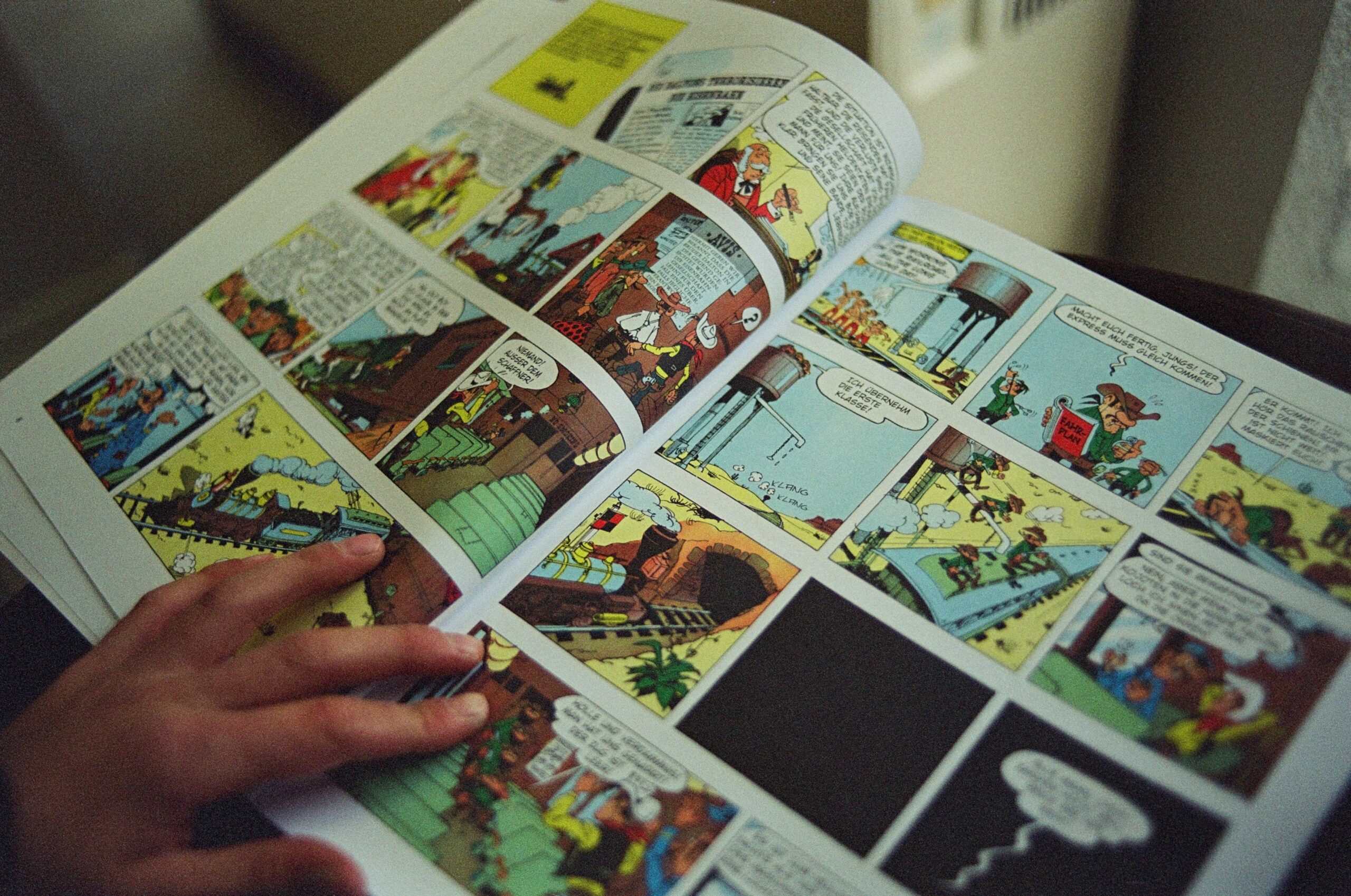
Creating a story that moves from comic pages to animation is exciting and challenging. Comics use static images to show action, emotion, and plot. Readers control the pace and linger on details. Animation, on the other hand, adds motion, sound, and timing to bring stories to life. Both mediums tell stories, but each requires a unique approach to reach audiences effectively.
Adapting a comic into animation takes planning and creativity. The goal is to keep the story’s essence while enhancing it with movement and voice. Pacing, visual style, and character interaction must all be considered. When these elements work together, the story feels dynamic, engaging, and real.
Designing Characters That Move and Speak
Characters are the heart of any story. In comics, they rely on visuals and distinct features to show personality. In animation, characters need to move naturally and express emotion. Designers work on body shapes, facial expressions, and movement style. The characters must remain recognizable across many frames and scenes.
Animation also allows creators to deepen character personalities. Writers and animators expand backstories, relationships, and reactions. Small gestures and expressions can reveal emotions that are hard to show in still images. Strong characters make viewers care about the story and remain connected throughout the animation.
Bringing Stories to Life with Storyboards
Storyboards are the first step in translating comic panels to animation. They map out scenes with rough drawings, showing movement, camera angles, and timing. Storyboards help the team visualize the story before full animation begins. They make complex sequences easier to plan and adjust.
Creating storyboards requires collaboration between artists and writers. Each panel must communicate the right emotion and plot point. Directors review the boards to check pacing and clarity. The process allows teams to solve problems early and improve the story’s flow before animation work starts.
Writing for Animated Scenes
Writing for animation is different from comic writing. Animators need clear descriptions of actions, expressions, and environments. Dialogue must be short, direct, and easy to match with animation. Every line should move the story forward or reveal character traits.
Animation offers ways to show emotion without words. Physical movements, gestures, and reactions can tell parts of the story that dialogue cannot. Writers and animators work closely to balance spoken lines with visual storytelling. This approach keeps scenes lively and helps audiences connect emotionally with the story.
Choosing the Right Animation Style
The animation style affects the story’s impact. Hand-drawn 2D animation keeps the comic’s look and feel. It emphasizes artistry and smooth movement. Computer-generated animation allows for complex lighting, textures, and 3D effects. Each style has unique benefits and challenges that influence how the story is perceived.
Animators must adjust character design and backgrounds to match the chosen style. Consistency is key to keeping viewers immersed. Decisions about motion, camera angles, and visual effects also influence how emotions are felt. The right style can bring depth and energy to a story in ways that comics alone cannot achieve.
Working Together to Create Animation
Animation is a team effort. Writers, artists, animators, editors, and sound designers all contribute. Communication is essential to make sure everyone shares the same vision. Collaboration helps solve problems quickly and keeps the project on track.
Feedback is a regular part of production. Directors guide the tone, pacing, and clarity of the story. Team members adjust their work based on input from others. This continuous cycle ensures that the final animation stays true to the story and reaches its full potential.
Connecting with Your Audience
Audience engagement is a key part of successful storytelling. Marketing, trailers, and social media campaigns can build excitement for new animations. Understanding the audience helps creators design visuals, dialogue, and pacing that connect with viewers.
Interaction with fans does not end with promotion. Online discussions, events, and community content encourage viewers to share their experiences. Engaged audiences are more likely to stay invested in the story and recommend it to others. Strong connections increase the animation’s impact and popularity.
Turning Imagination Into Motion
Comic books and animation share the same goal: telling stories that captivate. Moving a story from page to screen requires planning, creativity, and teamwork. Characters, storyboards, writing, and animation style all work together to bring the narrative to life.
When creators focus on clear storytelling, consistent design, and audience engagement, the result is animation that feels alive. Stories that begin on comic pages can grow into immersive experiences that entertain, inspire, and resonate with viewers for years to come.