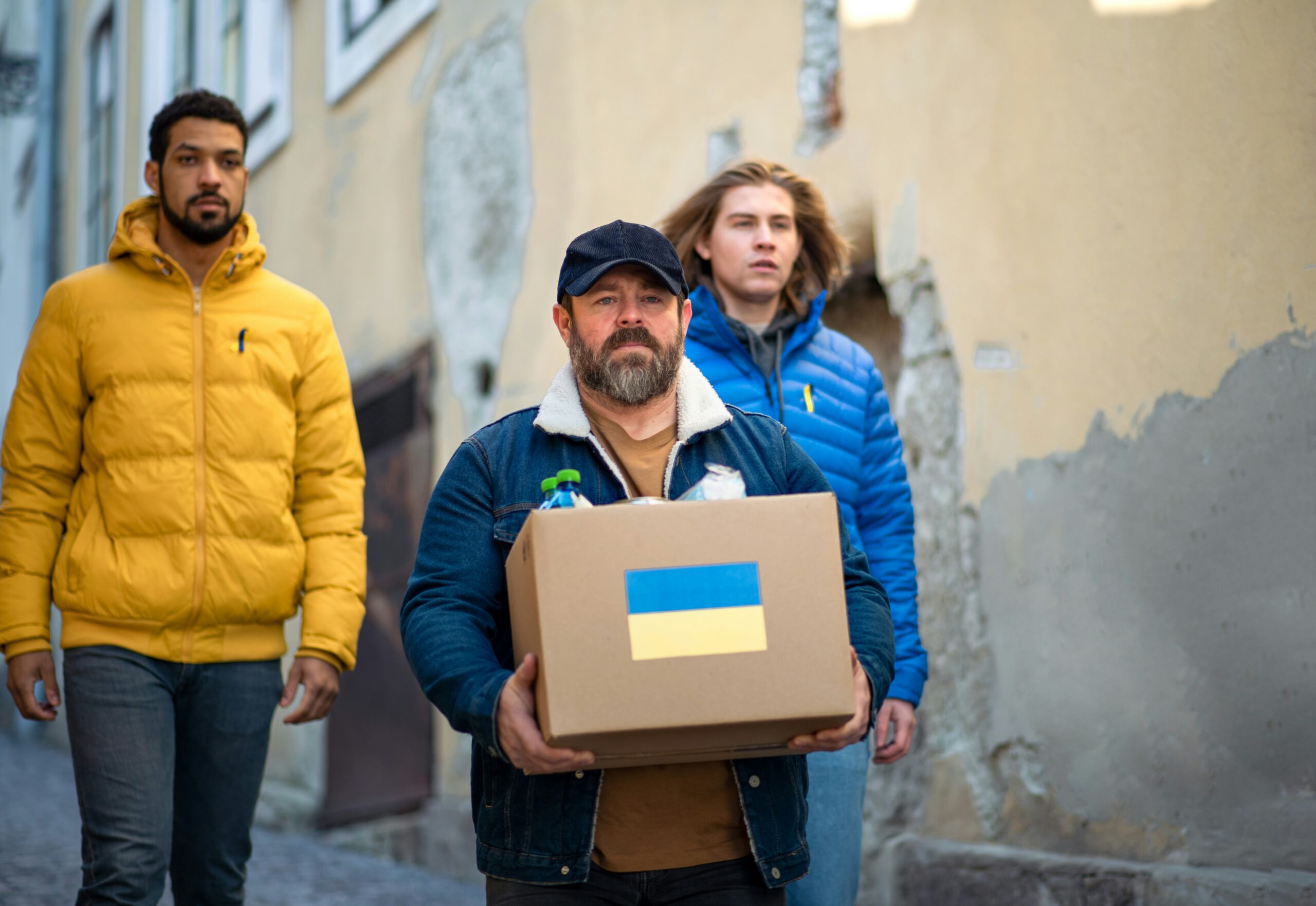
Humanitarian Service changes lives by meeting urgent needs, restoring hope, and building stronger communities across the globe. Across continents, volunteers and aid workers step into crisis zones, poor villages, and crowded cities to offer food, clean water, shelter, and care. Moreover, they create long-term plans that help families stand on their own. Because of these efforts, millions of people gain access to basic rights and new chances for a better future. Humanitarian Service does more than respond to disasters; it sparks lasting change that shapes generations.
The True Meaning of Humanitarian Service
Humanitarian Service means helping people in need without asking for reward. It focuses on dignity, compassion, and action. While many people think only of disaster relief, the work reaches far beyond emergencies. For example, organizations support education, health care, and job training in poor regions. As a result, families gain tools to improve their lives. Humanitarian Service stands on the belief that every person deserves safety, respect, and opportunity.
At the same time, Humanitarian Service depends on strong values. Volunteers often work in harsh conditions; however, they stay committed because they believe in human rights. Therefore, they build trust with local communities before starting any project. In addition, they listen to local leaders to understand real needs. This approach ensures aid supports long-term growth rather than short-term fixes.
Emergency Relief in Times of Crisis
Natural disasters and conflicts strike without warning, and communities often lose homes, food, and safety in a matter of hours. In these moments, Humanitarian Service teams move quickly to save lives. For instance, they deliver clean water, medical supplies, and emergency shelter. Because time matters, trained workers set up response centers within days. Consequently, families receive help when they need it most.
However, emergency relief involves more than handing out supplies. Aid groups also create safe spaces for children and provide mental health support. Moreover, they work with local officials to restore roads and clinics. This quick action helps communities regain stability. As a result, people can begin rebuilding their lives with hope and strength.
Fighting Poverty Through Sustainable Development
While emergency relief addresses urgent pain, long-term Humanitarian Service targets the root causes of poverty. Many communities struggle due to a lack of education, poor health systems, and limited job options. Therefore, aid organizations invest in schools, training programs, and small business support. For example, they may offer farming tools or microloans to help families grow income. As a result, people gain skills that lead to independence.
In addition, sustainable projects focus on clean water and sanitation systems. Because safe water reduces disease, children can attend school more often. Moreover, local workers learn to maintain these systems, creating jobs. This cycle of support builds strong foundations. Consequently, communities break free from poverty step by step through sustained humanitarian service efforts.
Empowering Women and Children
Humanitarian Service plays a vital role in protecting women and children. In many regions, women face unequal access to education and work. Therefore, aid programs often provide literacy classes and job training for women. When women earn income, families benefit. As a result, children receive better food, health care, and education.
Children also need protection from violence, hunger, and exploitation. For this reason, many Humanitarian Service groups create child-friendly spaces and support schools in crisis zones. Moreover, they provide nutrition programs that fight malnutrition. Because strong early support shapes future success, these efforts carry a lasting impact. Consequently, entire communities grow stronger when women and children thrive.
The Role of Volunteers and Global Partnerships
Volunteers drive much of the progress in Humanitarian Service. Many people give time, skills, and energy to serve others. For example, doctors may offer free medical care, while teachers may train local staff. Moreover, young leaders often travel abroad to support clean water or housing projects. Their passion fuels change and inspires others to act.
At the same time, strong partnerships increase impact. Governments, nonprofits, and businesses often work together to fund and manage large projects. Therefore, resources reach more people in less time. In addition, local communities play a key role in planning and leadership. This teamwork ensures that Humanitarian Service remains effective, respectful, and lasting.
Technology and Innovation in Modern Aid
Today, technology shapes the future of Humanitarian Service. Mobile apps track supply deliveries and connect families with services. For instance, digital cash transfers allow families to buy what they need most. Because this method respects choice, it strengthens dignity. Moreover, data tools help organizations measure results and improve plans.
Innovation also improves disaster response. Drones can map damaged areas within hours, which guides rescue teams. In addition, solar power systems provide clean energy in remote camps. These tools speed up recovery and reduce costs. As a result, Humanitarian Service becomes more efficient and more responsive to real needs.
Building a Culture of Compassion
Humanitarian Service does not belong only to large organizations. In fact, anyone can support change through small daily actions. For example, people can donate, volunteer locally, or raise awareness online. Because collective action matters, even simple steps create ripple effects. Moreover, teaching children about empathy builds a kinder future.
Communities that value service often show stronger unity. When neighbors help one another, trust grows. Therefore, local service projects can reduce isolation and fear. In addition, shared efforts create pride and purpose. This culture of compassion supports the larger mission of Humanitarian Service worldwide.