A tired lawn rarely fails for a single reason. Thin grass, pale color, weeds, and bare patches often develop together. A structured lawn fertilizer and weed plan addresses these connected issues with better timing and targeted care. Instead of chasing symptoms, homeowners can improve soil nutrition while reducing unwanted plants. This balanced approach gives healthy grass more room, food, and strength to recover. However, success depends on understanding what the lawn needs before applying any treatment.
Start With the Lawn, Not the Products
Before buying fertilizer or herbicide, inspect the entire yard carefully. Look for compacted soil, drainage problems, insect damage, shade, and uneven growth. Weeds can also reveal useful information about lawn conditions. Therefore, identifying underlying stress helps prevent wasted treatments and repeated problems.
A soil test provides even clearer direction for lawn restoration. It can reveal nutrient levels, soil pH, and important deficiencies. With those results, you can choose fertilizer that matches actual needs. Meanwhile, checking the grass species helps you choose suitable products and timing.
Build a Lawn Fertilizer Plan Around Growth
Fertilizer works best when grass can actively use the nutrients. Instead, match feeding periods to your grass’s growth cycle. Cool-season and warm-season lawns follow different schedules. Consequently, local climate and grass type should guide every fertilizer application.
Yet more fertilizer does not always produce a better lawn. Excess nitrogen can create fast, weak growth that needs extra mowing. It may also increase disease pressure under certain conditions. A measured lawn fertilization schedule supports steady roots, stronger blades, and more consistent color.
Slow-release fertilizers can provide nutrients over a longer period. However, always follow product rates and watering directions carefully. Proper application matters as much as the fertilizer formula.
Use Weed Control Without Weakening Grass
Weeds compete with turf for water, sunlight, nutrients, and growing space. Still, aggressive weed control can stress an already weak lawn. The better strategy combines selective treatment with stronger turf management. First, identify the weeds before choosing a control product. Different weeds require different methods, timing, and active ingredients.
Pre-emergent products prevent certain weed seeds from developing successfully. They are especially useful for annual weeds such as crabgrass. Post-emergent treatments target weeds that are already visible. However, timing remains critical for both approaches. Effective weed control for lawns should reduce competition without disrupting healthy grass growth.
Spot treatment can be useful when weeds are confined to small areas. It reduces unnecessary herbicide use across healthy sections of turf. Meanwhile, dense grass naturally blocks light from reaching many weed seedlings. That means weed prevention improves as the lawn becomes thicker. A strong lawn is not weedproof, but it creates tougher conditions for weeds to invade.
Connect Feeding, Mowing, and Watering
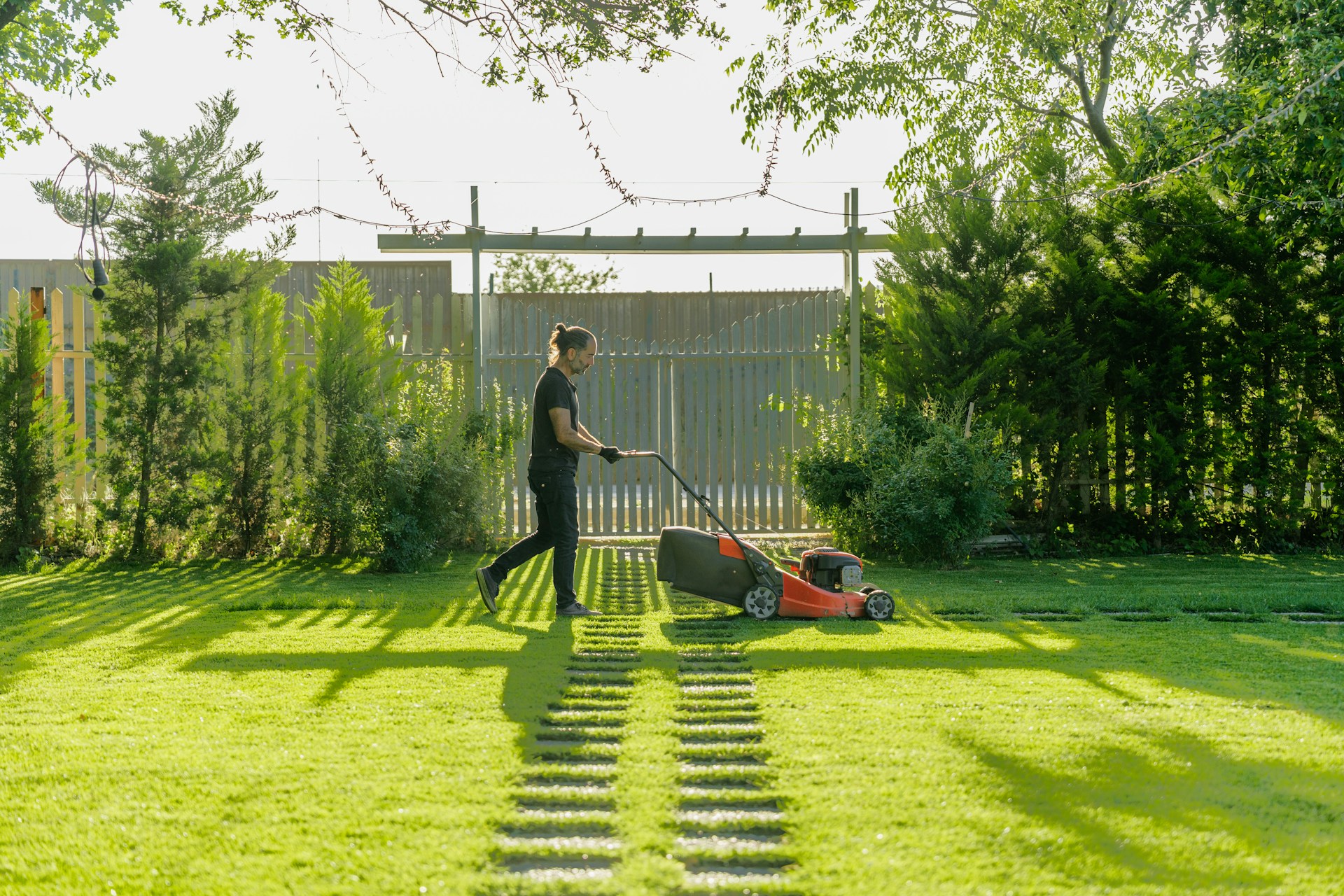
Fertilizer and weed treatments cannot repair poor daily lawn care. Mowing height strongly affects root depth, moisture retention, and weed pressure. Cutting grass too short removes valuable leaf tissue and exposes soil. Instead, maintain a height suited to your grass species. Sharp mower blades also create cleaner cuts and reduce unnecessary stress.
Watering should support deeper root development rather than frequent surface growth. In most situations, deeper and less frequent irrigation encourages stronger roots. However, soil type, rainfall, temperature, and grass species affect watering needs. Early morning watering can also limit evaporation during hot weather. Consistent moisture management helps fertilizer perform without encouraging constant shallow growth.
Aeration may help lawns with compacted soil and heavy foot traffic. By opening the soil, aeration improves movement of water, oxygen, and nutrients. Overseeding can then help fill thin sections in suitable grass types. Together, these practices strengthen the foundation beneath visible growth. Lawn restoration becomes more reliable when treatments support the whole growing environment.
Measure Recovery Across the Season
A recovering lawn changes gradually, so avoid judging results after just a few days. Instead, track color, density, weed pressure, and bare areas over time. Photos taken from the same locations can clearly show progress. Also note treatment dates, weather, and watering patterns. These records make future lawn maintenance more precise and less reactive.
Seasonal adjustments are important because lawn needs change throughout the year. Heat, drought, heavy rain, and dormancy can alter treatment timing. Therefore, rigid calendars are less useful than informed observation. If grass shows stress, delaying fertilizer or herbicide may protect recovery. Flexible decisions help maintain progress without forcing growth during unfavorable conditions.
Bring Lasting Strength Back to the Lawn
A tired yard can recover when each treatment serves a clear purpose. A thoughtful lawn fertilizer and weed plan combines nutrition, weed reduction, mowing, watering, and soil care. More importantly, it replaces random applications with a consistent restoration strategy. Healthy turf then gains the strength to compete, spread, and withstand seasonal stress.
Long-term results come from patience, not heavy product use. Start with an accurate diagnosis, then apply fertilizer and weed control at the right times. Support those treatments with smart mowing and moisture management. As conditions improve, the lawn can become denser and easier to maintain. That steady improvement creates a healthier landscape and reduces the need for corrective work.