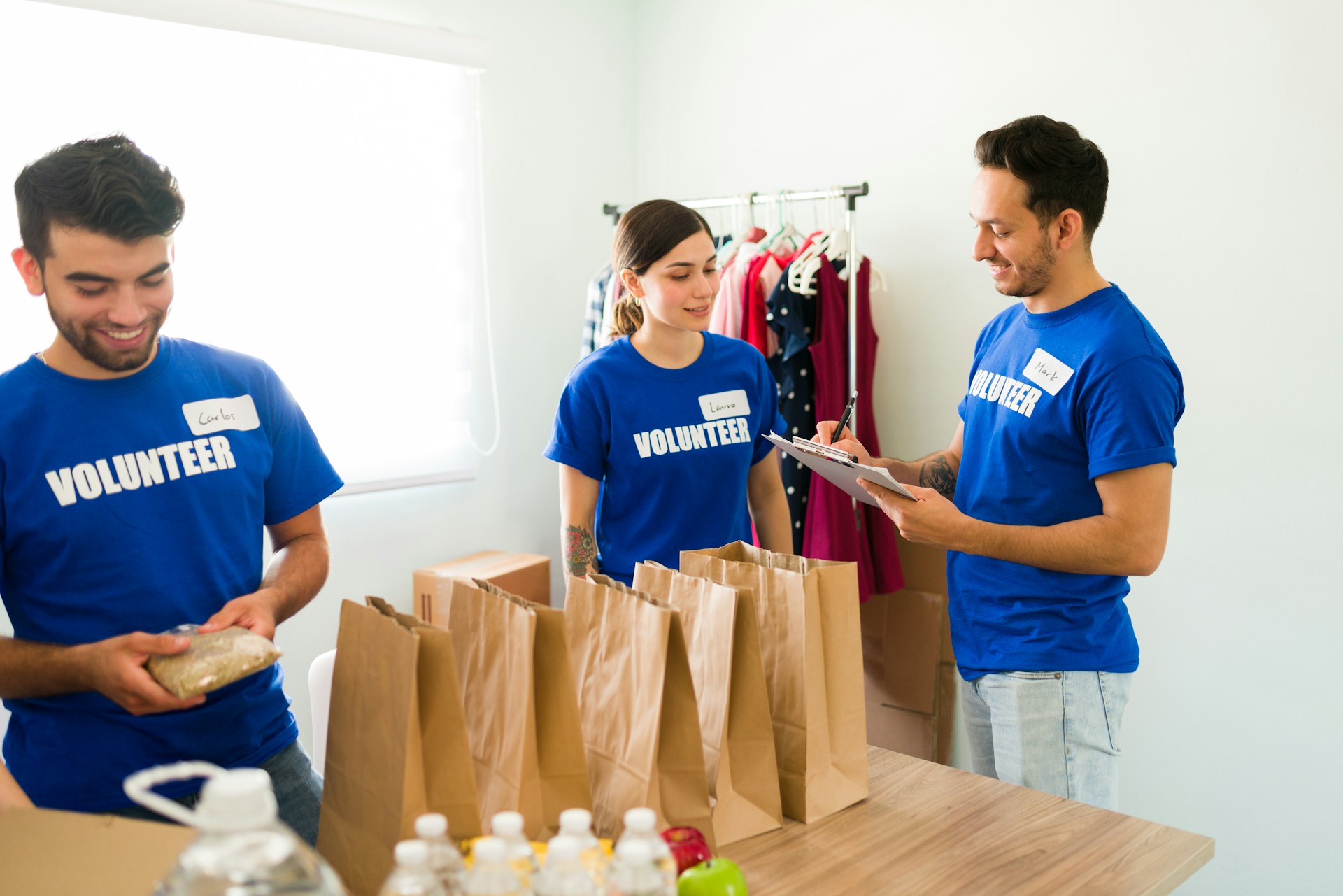
People often believe that one person cannot change the world. However, history proves the opposite. Every act of kindness can start a chain of positive action that reaches far beyond its original goal. Whether someone helps after a natural disaster, teaches children, or supports families in need, each effort matters. Through community outreach, volunteers improve lives while also gaining valuable experiences that shape their own future. As a result, volunteer work continues to inspire hope and strengthen communities across the globe.
Many organizations depend on volunteers because they bring energy, compassion, and fresh ideas. At the same time, humanitarian programs create opportunities for people from different cultures to work together. This shared purpose builds trust, encourages understanding, and reminds everyone that positive change begins with simple actions. Because of this, volunteer work remains one of the strongest ways to make a meaningful global impact.
Why Giving Time Matters More Than Ever
Communities around the world face many challenges, including poverty, hunger, limited education, and environmental damage. Although governments and nonprofit organizations work hard to solve these problems, they cannot do everything alone. Volunteers fill important gaps by offering their time, skills, and compassion where help is needed most. Therefore, every volunteer becomes an important part of a much larger solution.
People who volunteer also gain personal rewards. They build confidence, develop leadership skills, and create friendships with people from different backgrounds. In addition, volunteering often improves communication and teamwork. These experiences help individuals grow while creating positive change for others. As a result, both volunteers and communities benefit from every project completed.
Building Stronger Communities Through Shared Purpose
Communities become stronger when people work together toward common goals. Volunteer programs encourage neighbors to cooperate instead of facing challenges alone. For example, local food banks, neighborhood cleanup events, and youth mentoring programs all create stronger relationships among residents. Consequently, trust grows and communities become more resilient.
Shared service also creates a sense of belonging. People feel valued when they contribute their talents to meaningful causes. Furthermore, children who see adults volunteering often develop similar habits as they grow older. This cycle of giving strengthens communities for future generations while promoting responsibility and compassion across society.
Helping During Times of Crisis
Natural disasters, conflicts, and health emergencies often leave thousands of people in urgent need. During these difficult moments, volunteers respond quickly by delivering food, clean water, medical supplies, and emotional support. Their willingness to serve allows recovery efforts to begin faster and reach more people. Therefore, volunteer work plays a critical role during humanitarian emergencies.
International cooperation also becomes stronger during crises. Volunteers from different countries frequently work side by side despite cultural or language differences. Their shared mission creates hope where fear once existed. Moreover, these partnerships demonstrate that compassion has no borders and that people can overcome great challenges when they work together.
Skills That Make Humanitarian Service More Effective
Successful volunteer programs depend on more than good intentions. They also require practical skills that improve the quality of service. Communication, organization, problem solving, and teamwork help volunteers respond effectively to different situations. As volunteers gain experience, they become more confident and capable of supporting larger projects.
Technology has also expanded opportunities for humanitarian work. Online fundraising, virtual education, and digital communication help organizations reach people in remote areas. Meanwhile, global relief efforts benefit from better coordination between volunteers, nonprofits, and local leaders. Because information moves quickly, resources can often reach communities faster than ever before.
The Lasting Benefits for Volunteers
Volunteer work changes the lives of those who receive help, but it also transforms the people who serve. Many volunteers discover new interests, develop professional skills, and build stronger emotional resilience. Furthermore, serving others often creates a deeper appreciation for different cultures and life experiences.
Many employers also value volunteer experience because it demonstrates leadership, responsibility, and commitment. In addition, colleges and universities frequently recognize community service as evidence of personal growth. Therefore, volunteer work supports both personal development and career success while making a meaningful contribution to society.
Encouraging Young People to Serve Others
Young people represent the future of humanitarian work. When students participate in volunteer activities, they learn empathy, responsibility, and cooperation through real experiences instead of classroom lessons alone. Consequently, they develop habits that continue throughout adulthood.
Schools, families, and community organizations all play important roles in encouraging youth participation. Service projects allow young volunteers to discover their strengths while making a difference in the lives of others. Additionally, these experiences help them understand that even small actions can create lasting improvements for individuals and communities alike.
Expanding Opportunities Through International Partnerships
Global partnerships make volunteer programs more effective because they combine knowledge, resources, and local experience. International organizations often work closely with community leaders to understand local needs before launching projects. As a result, solutions become more practical and sustainable.
Volunteers also learn valuable lessons by working alongside people from different cultures. These experiences promote respect, reduce misunderstandings, and encourage long-term cooperation. Therefore, humanitarian service becomes more than temporary assistance, it becomes an opportunity to build lasting relationships that continue supporting communities for years.
Creating a Better Future Together
Every volunteer contributes to a brighter future through consistent acts of kindness and service. Whether someone gives a few hours each month or joins a long-term humanitarian mission, every effort creates positive change. By supporting charitable missions, individuals help strengthen families, improve education, protect the environment, and inspire others to take action. Consequently, volunteer work continues to create hope in places where it is needed most.
The world will always face challenges, but people also have an unlimited capacity for compassion. When individuals choose to serve others, communities become stronger and opportunities grow for everyone. Together, volunteers prove that meaningful change begins with simple actions, shared responsibility, and a genuine desire to improve lives across the globe.