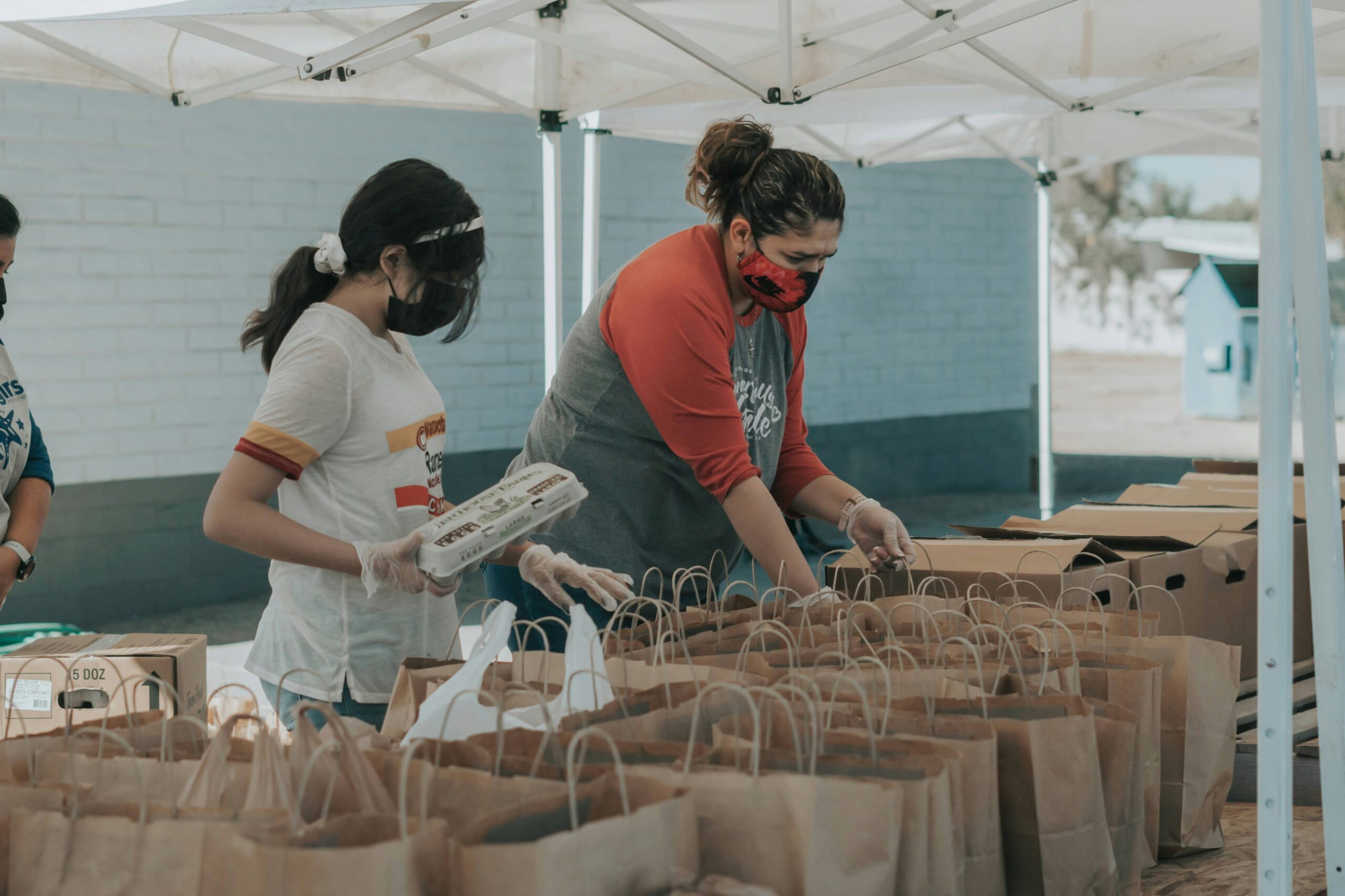
Volunteer work and humanitarian service connect people who want to improve lives, strengthen communities, and respond to urgent needs. Across the world, volunteers give their time, knowledge, and energy to support causes that matter. Moreover, their efforts can reach people facing poverty, natural disasters, limited access to education, food insecurity, and other difficult circumstances. Through organized service, volunteers can turn compassion into practical action.
At the same time, humanitarian service goes beyond providing immediate assistance. Volunteers often help communities build skills, improve local resources, and create stronger support systems. Therefore, effective volunteer programs can contribute to lasting progress when they respect local needs and work closely with community members.
Responding to Humanitarian Needs
Humanitarian volunteers often serve communities during emergencies and periods of severe hardship. For example, natural disasters, armed conflicts, displacement, and food shortages can leave families without essential resources. Volunteers may support relief organizations by distributing food, organizing supplies, helping with shelters, or assisting trained professionals. As a result, humanitarian organizations can extend their reach during challenging situations.
However, responsible humanitarian service requires preparation and coordination. Volunteers must understand local conditions, follow safety procedures, and respect cultural practices. In addition, working with experienced organizations helps ensure that assistance reaches people efficiently. When volunteers listen to local leaders and follow established plans, their contributions can better support community priorities.
Expanding Access to Education
Education remains an important area for volunteer work because learning can create opportunities for individuals and communities. Volunteers may tutor students, support literacy programs, teach language skills, or assist educators with classroom activities. Furthermore, volunteers with specialized knowledge can offer workshops in technology, business, communication, and other practical subjects.
Still, successful education programs require more than short visits or temporary lessons. Volunteers should work with teachers, families, and local organizations to understand what students actually need. Therefore, programs that provide useful materials, strengthen local teaching capacity, and encourage continued learning can create greater long-term value. Collaboration helps education initiatives remain useful after volunteers complete their service.
Supporting Health and Community Well-Being
Health-focused volunteer programs can support communities that face limited access to services and reliable health information. Qualified medical professionals may participate in organized clinics, training programs, or public health projects. Meanwhile, nonmedical volunteers can help with administrative work, community outreach, transportation coordination, and educational campaigns under appropriate guidance.
Additionally, community well-being often depends on prevention and education. Volunteers can support programs that promote hygiene, nutrition, maternal health awareness, clean water, and other community priorities. However, volunteers should always work within their training and respect professional boundaries. By partnering with qualified local organizations, they can contribute without replacing the expertise of established healthcare workers.
Protecting the Environment Through Service
Environmental challenges affect communities in nearly every part of the world. Consequently, volunteers increasingly participate in conservation projects that protect ecosystems and natural resources. They may help restore habitats, clean beaches, plant trees, remove waste, or support wildlife monitoring projects. These activities can also encourage residents and visitors to take greater responsibility for their surroundings.
Moreover, environmental volunteering can connect conservation with community development. Healthy forests, rivers, coastlines, and agricultural areas often support local livelihoods. Therefore, volunteers who work alongside local experts can help strengthen projects that balance environmental protection with economic needs. Sustainable programs focus on long-term stewardship rather than temporary improvements.
Building Stronger Local Communities
Community development often begins with local knowledge and participation. Volunteers can support neighborhood organizations, food programs, youth activities, housing initiatives, and projects that assist older adults or families in need. Furthermore, volunteers may contribute professional skills in areas such as communications, technology, fundraising, planning, or administration.
At the same time, effective service should empower communities instead of creating dependence. Local residents understand their own challenges, resources, and priorities better than outside volunteers. Therefore, volunteers can create more meaningful results when they listen first and contribute where their skills are genuinely useful. This approach encourages shared responsibility and helps communities maintain progress over time.
Using Professional Skills for Greater Impact
Skilled volunteering allows professionals to apply their expertise to humanitarian and nonprofit projects. For instance, engineers may support infrastructure planning, while accountants can help organizations improve financial systems. Likewise, designers, writers, technology specialists, and business professionals can contribute valuable services that smaller organizations may struggle to access.
In addition, skilled volunteers can transfer knowledge rather than simply completing individual tasks. Training local teams can strengthen an organization’s ability to continue its work independently. Therefore, knowledge sharing often becomes one of the most valuable parts of professional volunteering. When volunteers teach useful methods and create practical resources, their contribution can continue long after they leave.
Encouraging Cultural Understanding and Cooperation
International volunteer work can bring together people from different cultures and backgrounds. As volunteers work with local communities, they can learn about different traditions, perspectives, and ways of solving problems. Likewise, community members may gain opportunities to exchange ideas with people from other regions or countries.
Nevertheless, cultural exchange works best when volunteers approach communities with humility and respect. They should avoid assuming that outside methods automatically provide better solutions. Instead, volunteers should listen carefully and adapt to local expectations. Consequently, service can become a two-way learning experience that promotes understanding while supporting practical community goals.
Turning Service Into Sustainable Global Progress
Volunteer work creates the greatest value when people connect immediate action with long-term goals. A single volunteer project may not solve a complex social challenge, but consistent efforts can strengthen organizations and communities. Moreover, volunteers can continue supporting important causes through advocacy, fundraising, mentoring, responsible donations, and professional partnerships after completing their direct service.
Ultimately, humanitarian service shows how individual actions can contribute to broader change. Volunteers bring different skills, experiences, and perspectives, yet they often share a desire to help others. Therefore, thoughtful service, strong partnerships, and respect for local leadership can transform goodwill into meaningful results. When people volunteer responsibly and consistently, they can help build stronger communities and support positive change across the world.