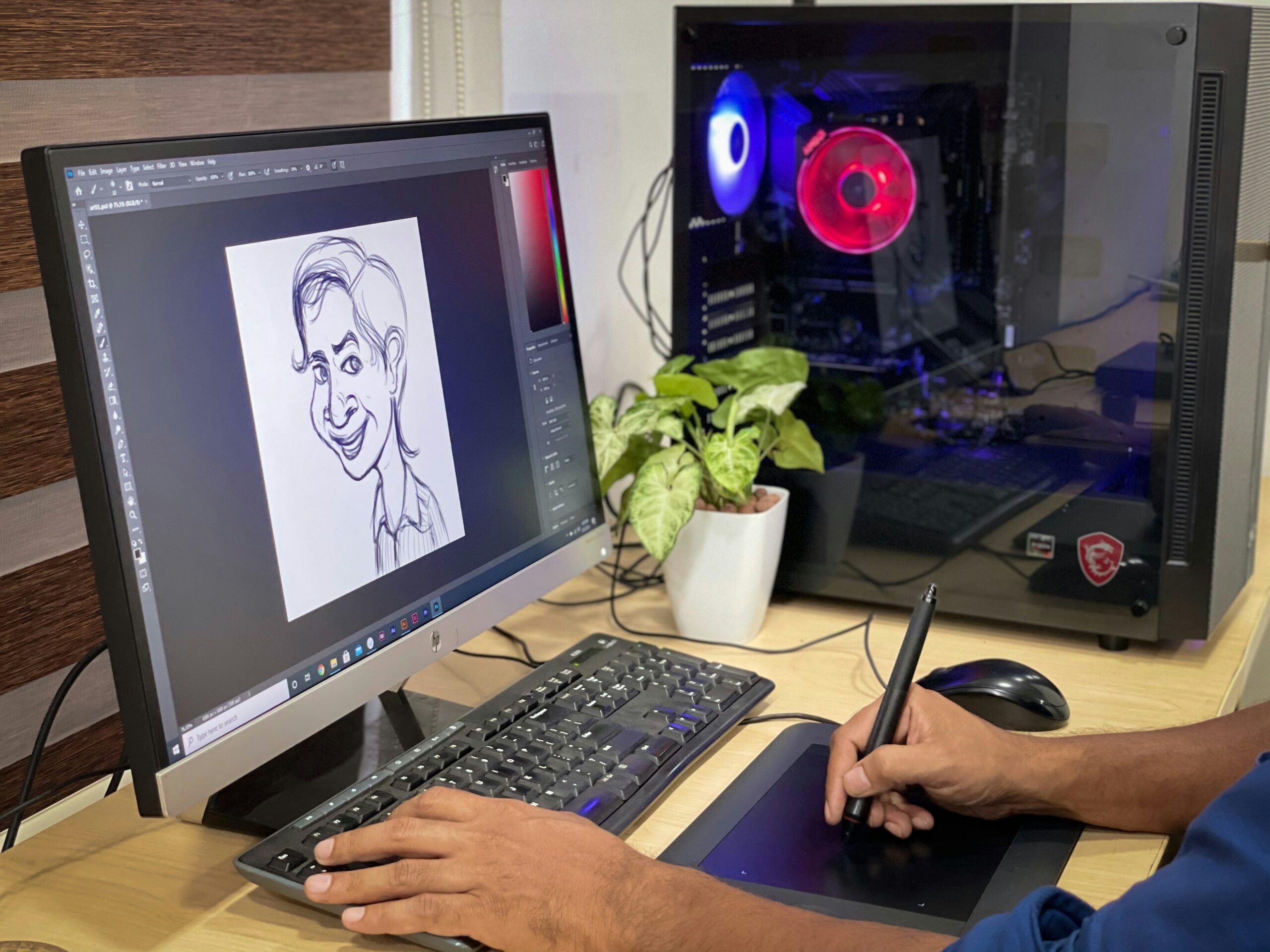
Digital art and animation continue to shape the way people share ideas, emotions, and experiences. Every image and motion sequence has the power to tell a memorable story that connects with viewers. As technology grows, artists have more creative tools than ever before. At the same time, audiences expect fresh visuals that capture attention and keep them engaged.
Digital Art and Animation give creators the freedom to build worlds that traditional methods often cannot match. Whether you create marketing content, educational videos, games, or entertainment, strong storytelling makes every project more meaningful. Great visuals may catch the eye, yet a clear story keeps people interested from beginning to end.
Understanding the Foundation of Visual Storytelling
Every successful project begins with a clear message. Before creating characters or backgrounds, artists should decide what they want the audience to feel. A story becomes stronger when every visual choice supports that goal.
Digital Art and Animation work best when color, lighting, movement, and composition guide the viewer through each scene. These elements help create emotion without relying only on words. As a result, the audience understands the story quickly and remembers it longer.
Simple ideas often produce the strongest results. Therefore, artists should focus on one clear message instead of adding too many details. A focused approach creates a smooth viewing experience and improves the overall impact.
Creating Characters That Build Emotional Connections
Characters give every story a human touch. Even fantasy creatures or robots can create emotional connections when they show believable expressions and actions. Because of this, character design deserves careful attention.
Start with personality before appearance. Think about how the character reacts to challenges, celebrates success, or handles failure. Then shape facial features, clothing, colors, and movement to reflect that personality.
Digital Art and Animation allow creators to test many versions before making a final choice. Artists can experiment with expressions, poses, and costumes until every detail matches the story. Consequently, the final character feels authentic and memorable.
Consistency also matters. Characters should maintain similar proportions, colors, and behaviors throughout the project. This steady approach helps viewers stay connected and follow the story without distraction.
Using Motion to Strengthen the Narrative
Animation brings still images to life. Every movement should support the story rather than exist only for decoration. Purposeful motion creates excitement, reveals emotions, and directs attention toward important moments.
Smooth transitions help viewers understand changes in time, location, or emotion. Likewise, well-planned camera movement adds depth and keeps scenes engaging. Small actions such as blinking, breathing, or shifting posture also make characters appear more natural.
Timing plays an important role in Digital Art and Animation. Fast motion builds excitement, while slower movement creates dramatic tension. By adjusting speed and rhythm, artists control how audiences experience each scene.
Sound also works well with animation. Although visuals remain the focus, music and effects increase emotional impact. Together, these elements create a richer storytelling experience that feels complete.
Choosing the Right Tools and Creative Workflow
Modern software gives artists countless creative possibilities. However, success depends more on skill and planning than on expensive tools. A simple workflow often delivers better results than a complicated process.
Begin with sketches or storyboards. These early drafts organize scenes before detailed production begins. After that, artists can create digital illustrations, animate key moments, and refine the final presentation.
Digital Art and Animation software supports painting, modeling, rigging, editing, and rendering. Even so, creators should learn the fundamentals before exploring advanced features. Strong drawing skills, composition, and storytelling remain valuable across every platform.
Regular practice improves both speed and quality. Furthermore, reviewing completed projects helps artists identify strengths and areas for growth. Small improvements over time lead to impressive long-term progress.
Feedback also supports creative development. Sharing work with trusted peers provides fresh perspectives that may reveal new ideas. As a result, each project becomes stronger than the last.
Building Lasting Impact Through Creative Storytelling
Great stories stay with audiences because they create emotional experiences. Digital Art and Animation help artists deliver those experiences through creative visuals, expressive movement, and thoughtful design.
Every scene should move the story forward. Avoid adding unnecessary effects that distract from the message. Instead, focus on meaningful details that strengthen character development and emotional depth.
Consistency across style, color, and pacing creates a professional appearance. Meanwhile, creative experimentation keeps projects fresh and original. Finding the right balance between structure and imagination helps artists develop a recognizable style.
Storytelling also changes across platforms. Social media videos, animated advertisements, educational content, and feature films all require different approaches. Nevertheless, every format benefits from strong characters, clear direction, and engaging visuals.
Artists should also stay curious about new technology. Artificial intelligence, virtual reality, and interactive media continue to expand creative opportunities. Learning these tools while maintaining solid artistic principles prepares creators for future success.
Digital Art and Animation will continue to influence communication, education, marketing, and entertainment. People naturally connect with visual stories because they communicate ideas quickly and emotionally. Therefore, creators who master storytelling gain an important advantage in a competitive creative industry.
The journey toward better visual storytelling never truly ends. Every project teaches new lessons about design, movement, pacing, and emotion. Artists who embrace learning and practice consistently develop stronger creative skills with each new challenge.
Digital Art and Animation combine imagination with technology to create experiences that inspire audiences around the world. By focusing on clear storytelling, memorable characters, purposeful motion, and thoughtful design, creators can produce work that stands out in any medium. Strong visual stories leave lasting impressions, encourage meaningful connections, and demonstrate the true power of creative expression.