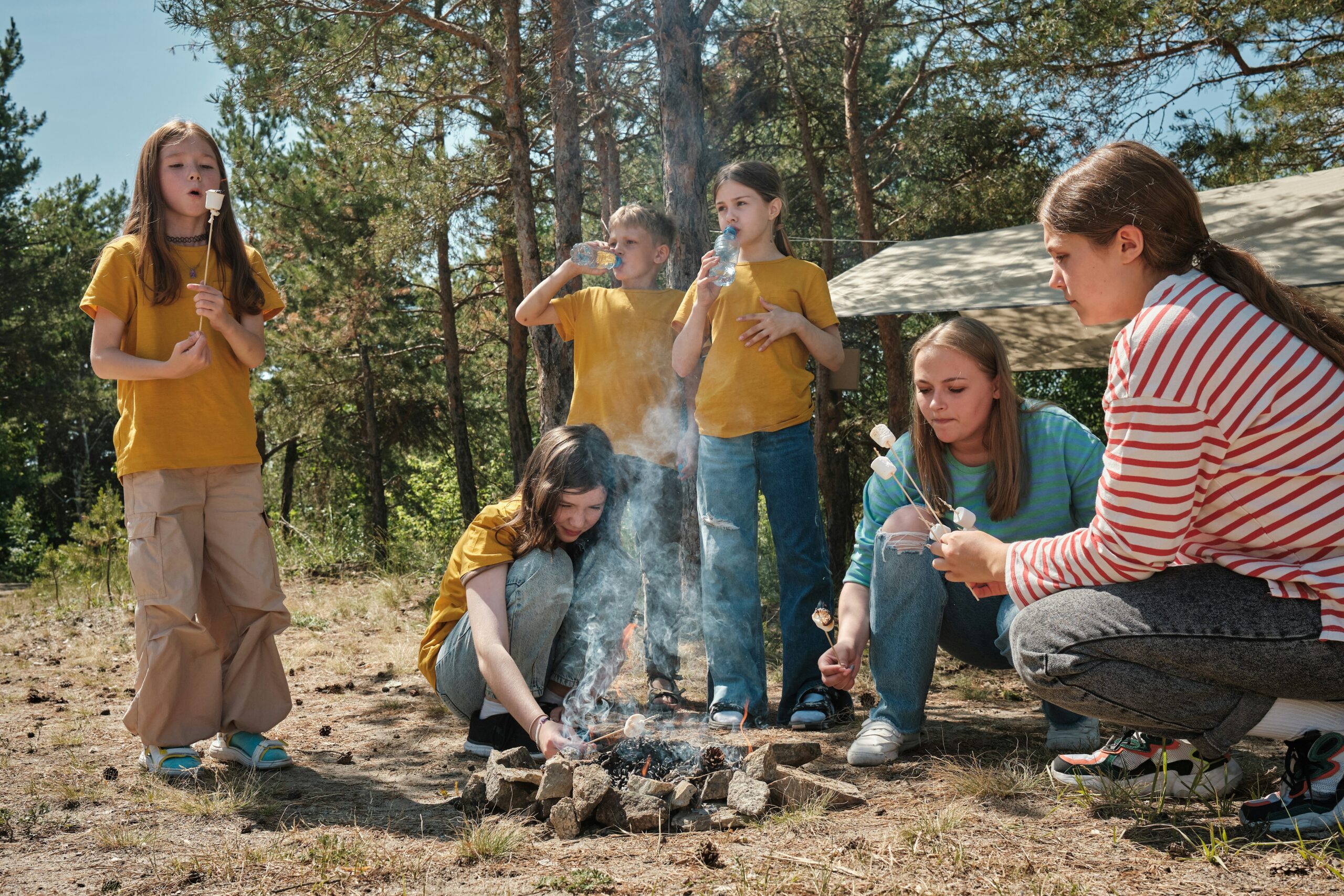
Youth camps and spiritual events offer more than a break from everyday routines. They create spaces where young people can build friendships, strengthen their values, and discover new confidence. Whether the event lasts a single day or an entire week, the experience often leaves a lasting impression that shapes personal growth for years to come. A well-organized event encourages participants to step outside their comfort zones while feeling supported by caring leaders and peers.
Planning these events requires thoughtful preparation and a clear purpose. Every activity, discussion, and shared experience should help participants grow emotionally, socially, and spiritually. Strong leadership, careful organization, and genuine care make the difference between an event that is simply enjoyable and one that truly changes lives. When organizers focus on creating meaningful experiences, young people leave with stronger relationships, valuable life lessons, and renewed motivation.
Establishing a Clear Vision for the Event
Every successful youth camp begins with a clear vision. Before choosing a location or planning activities, leaders should define the purpose of the event. Some camps focus on spiritual growth, while others emphasize leadership, service, or community building. A clear direction helps every decision support the overall mission and ensures that the program remains consistent from beginning to end.
Once the vision is established, organizers can develop activities that reinforce the desired outcomes. Discussions, group projects, worship sessions, and recreational experiences should all contribute to the same goal. This thoughtful approach creates a balanced schedule that keeps participants engaged while helping them understand the deeper purpose behind each activity.
Creating a Safe and Welcoming Environment
Young people thrive when they feel accepted and respected. Creating a welcoming atmosphere begins long before the event starts. Friendly communication, clear expectations, and thoughtful planning help participants feel comfortable even if they are attending for the first time. Leaders who greet each individual warmly establish trust from the very beginning.
Physical and emotional safety are equally important. Organizers should prepare emergency plans, maintain appropriate supervision, and encourage respectful interactions throughout the event. At the same time, leaders should create opportunities for participants to express themselves without fear of judgment. A safe environment allows young people to ask questions, share experiences, and develop meaningful relationships with confidence.
Building Strong Leadership Teams
Behind every successful youth event is a dedicated leadership team. Volunteers and staff members should understand the event’s purpose and work together toward shared goals. Effective leaders communicate clearly, solve problems calmly, and demonstrate the values they hope participants will embrace. Their actions often have a greater impact than their words.
Training leaders before the event improves consistency and confidence. Team members should understand their responsibilities while remaining flexible enough to respond to unexpected situations. Open communication throughout the event helps leaders support one another and maintain a positive experience for every participant. When leadership works well together, the entire event becomes more organized and enjoyable.
Designing Activities That Encourage Growth
Meaningful activities help participants learn while enjoying the experience. Games, discussions, creative projects, outdoor adventures, and service opportunities can all contribute to personal development when connected to the event’s purpose. Variety keeps participants engaged while allowing different personalities to shine in different settings.
Reflection is just as valuable as activity. After shared experiences, leaders should encourage participants to discuss what they learned and how those lessons apply to everyday life. These conversations transform enjoyable moments into meaningful personal growth. As participants connect experiences with practical values, they develop deeper understanding and lasting memories.
Encouraging Genuine Relationships
One of the greatest benefits of youth camps is the opportunity to build lasting friendships. Shared experiences naturally bring people together, especially when participants work toward common goals or overcome challenges as a group. Leaders can encourage these connections by creating opportunities for teamwork, conversation, and mutual encouragement throughout the event.
Strong relationships also grow through intentional mentoring. Leaders who listen carefully, ask thoughtful questions, and offer personal encouragement often become trusted role models. Young people appreciate adults who show genuine interest in their lives rather than simply directing activities. These supportive relationships frequently continue long after the event has ended.
Strengthening Faith Through Shared Experiences
Spiritual events provide opportunities for participants to deepen their faith in meaningful ways. Worship services, prayer, Scripture discussions, and quiet moments of reflection help young people explore their beliefs while encouraging personal growth. Rather than presenting information alone, effective spiritual programming invites participants to engage actively with their faith.
Faith often becomes stronger through shared experiences. Serving others, overcoming challenges, and supporting fellow participants demonstrate spiritual principles in practical ways. These real-life experiences help young people understand how faith influences everyday decisions and relationships. As a result, spiritual lessons become more personal and memorable.
Managing Logistics With Care
Excellent organization allows participants to focus on learning and connection rather than confusion. Registration, transportation, meals, accommodations, scheduling, and communication all require careful attention before the event begins. Clear planning reduces stress for both participants and leaders while helping every activity run smoothly.
Flexibility remains important despite thorough preparation. Weather changes, scheduling adjustments, or unexpected circumstances may require quick decisions. Organized leaders stay calm, communicate clearly, and adapt without losing sight of the event’s purpose. Their steady approach helps participants remain confident even when plans change unexpectedly.
Creating Lasting Impact After the Event
The influence of a youth camp should continue long after participants return home. Follow-up communication encourages young people to continue growing through local groups, volunteer opportunities, or regular mentoring relationships. Staying connected reinforces lessons learned during the event while helping participants remain motivated.
Leaders should also evaluate the event carefully after it concludes. Feedback from participants, families, and volunteers provides valuable insights for future planning. Continuous improvement allows each event to become more effective while meeting the changing needs of young people. Every successful camp builds a stronger foundation for the next opportunity to inspire growth and connection.
Organizing and leading youth camps and spiritual events requires thoughtful planning, compassionate leadership, and a genuine commitment to helping young people grow. While logistics and schedules matter, the greatest impact comes from meaningful relationships, inspiring experiences, and opportunities for personal and spiritual development. Every conversation, activity, and shared moment contributes to an environment where participants can discover confidence, strengthen their values, and build lasting friendships.
When leaders focus on purpose rather than perfection, they create experiences that remain meaningful for years to come. Young people remember how they were welcomed, encouraged, and challenged to grow. Through careful preparation, authentic leadership, and a heart for service, youth camps and spiritual events become powerful opportunities to inspire the next generation and strengthen communities through lasting connection.