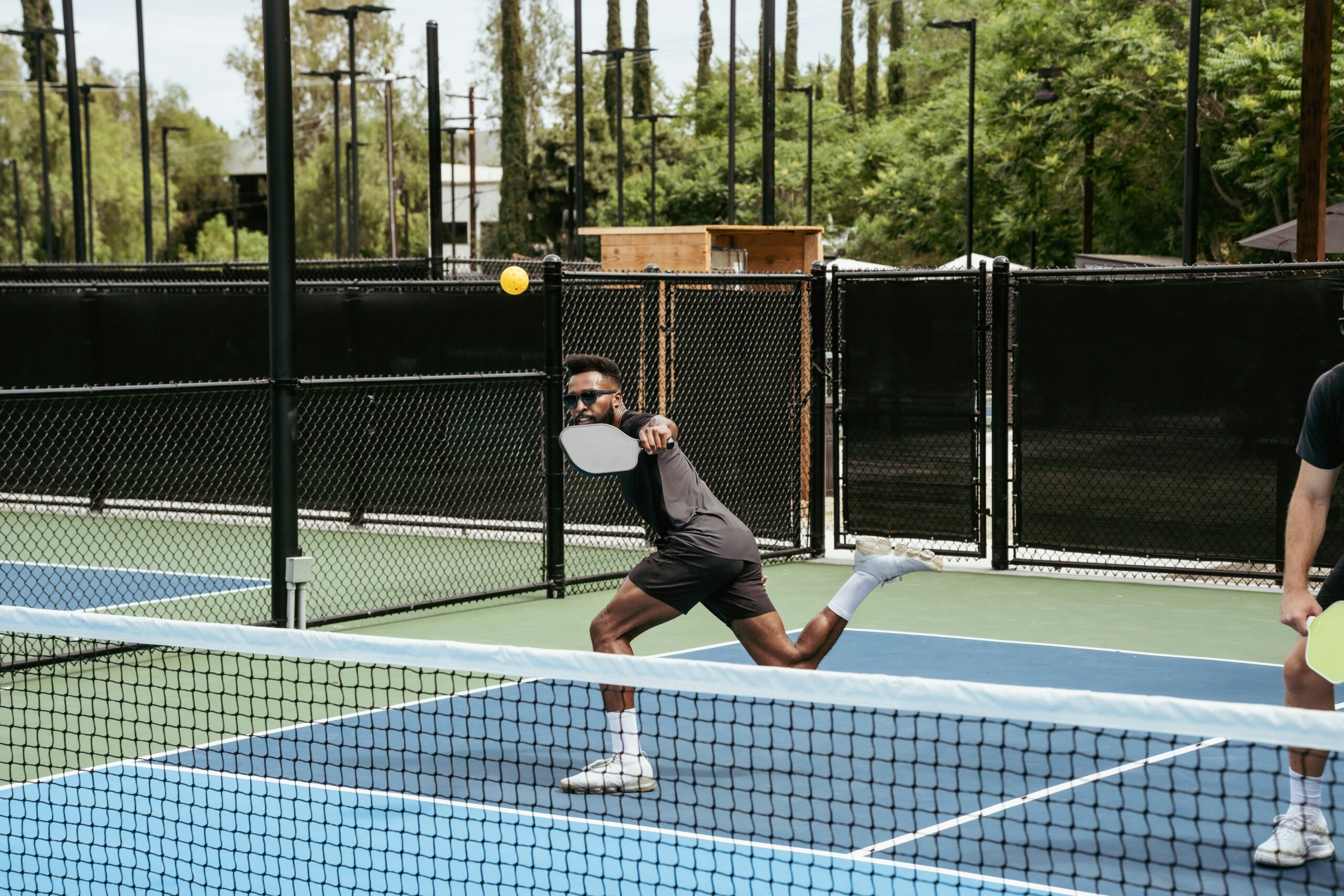
Modern sports culture continues to expand beyond traditional stadium games, and two activities now command remarkable attention. Competitive disc golf and pickleball have moved from casual recreation into organized sports with skilled athletes, serious tournaments, and passionate communities. As a result, these accessible sports attract people who want competition without the high entry barriers often associated with established athletic programs.
At the same time, disc golf and pickleball reflect changing ideas about how people want to stay active. Many athletes now value social connection, flexible participation, and affordable access alongside competitive achievement. Consequently, these sports no longer depend only on local word of mouth. They have developed recognizable competitive identities that connect recreational players with ambitious athletes and growing fan bases.
Disc Golf Turns Precision Into Competition
Disc golf transforms the familiar act of throwing a flying disc into a demanding test of accuracy, distance, planning, and control. Players navigate courses that feature trees, elevation changes, water, narrow fairways, and difficult basket positions. A powerful drive can create an advantage, but a controlled approach or confident putt often determines the score.
Meanwhile, competitive disc golf rewards mental discipline as much as physical skill. A player may execute an excellent throw and still receive an unfavorable bounce, roll, or landing. Therefore, athletes must recover quickly rather than allowing frustration to affect their next shot. However, this pressure also makes the sport compelling to watch.
Pickleball Builds Speed Through Simplicity
Pickleball has grown rapidly because its basic structure feels approachable while competitive play becomes fast and highly tactical. The smaller court reduces the amount of ground players must cover, yet it also creates quick exchanges that demand sharp reactions. Therefore, advanced pickleball often resembles a strategic conversation in which each shot attempts to influence the opponent’s next decision.
Competitive doubles adds another layer because partners must communicate, move together, and protect space efficiently. Players learn when to speed up the ball and when to maintain a controlled rally. Consequently, pickleball proves that an easy starting point does not create an easy sport. Its simplicity invites participation, while its tactical depth supports serious athletic development.
Rising Stars Create New Fan Communities
Every growing sport needs athletes who give audiences a reason to follow tournaments, stories, and rivalries. Disc golf and pickleball now benefit from competitors who combine elite performance with visible personalities. Through tournament coverage, interviews, instructional content, and social media, rising stars can connect directly with fans.
Fans also enjoy watching athletes develop because emerging sports can feel more accessible than long-established professional leagues. As a result, competitive success can inspire immediate participation. Someone who watches an exciting disc golf round may visit a nearby course, while a memorable pickleball match may encourage friends to reserve a court. Therefore, star power does more than generate attention; it can convert spectators into active members of the sport.
Accessibility Fuels Long-Term Growth
Both sports benefit from relatively simple pathways into recreational play. A beginner can start disc golf with only a few discs, while many public courses charge little or nothing for access. This broad accessibility helps families, students, older adults, and competitive athletes share the same sports while pursuing different goals.
However, accessibility does not eliminate ambition. Instead, it creates a wide foundation from which competitive talent can emerge. Local leagues introduce players to structured matches, while regional events expose them to stronger opponents and tournament pressure. As participation expands, organizers can create deeper competition and clearer development pathways. Consequently, disc golf and pickleball can support both casual communities and serious competitors without forcing every participant to approach the game with the same intensity.
Technology Expands Training and Visibility
Digital technology has accelerated the development of modern niche sports by making instruction and competition easier to discover. Disc golfers can study throwing mechanics, disc selection, course strategy, and professional rounds online. This abundance of information allows committed beginners to improve faster and gives experienced competitors new ways to evaluate performance.
Media technology also helps tournaments reach audiences far beyond the people standing beside a course or court. Streaming, highlight clips, short videos, and athlete-created content can turn a strong performance into a widely shared moment. Therefore, sponsors and event organizers gain more opportunities to reach engaged communities. As digital presentation improves, both sports can strengthen their professional image while preserving the community atmosphere that originally attracted many participants.
The Next Chapter of Modern Competition
Disc golf and pickleball represent a broader shift toward sports that combine serious competition with everyday accessibility. Neither game needs to replace traditional sports to succeed. Instead, both can occupy valuable spaces in modern athletic culture by offering skill development, community, movement, and meaningful competition. As facilities, coaching, media coverage, and sponsorship continue to develop, more athletes will see legitimate opportunities to test themselves at increasingly demanding levels.
Ultimately, the future of these rising sports will depend on the communities that play, organize, teach, watch, and support them. Competitive disc golf can continue turning parks and courses into arenas of precision and creativity, while competitive pickleball can transform compact courts into stages for speed and strategy. At the same time, rising stars will deliver memorable performances and personal stories to new audiences. Therefore, both sports appear well positioned to grow without losing the accessible spirit that made them appealing in the first place. Importantly, each sport also provides competitors with clear feedback because scores, rankings, and match results reveal progress over time. That measurable improvement encourages athletes to practice with purpose and return to competition with stronger goals. Beyond competition, local communities benefit when regular events bring players together, create friendships, and encourage consistent physical activity. In turn, welcoming environments help new participants stay involved, while experienced players gain more opponents and training partners, and more opportunities to share knowledge with others across generations and backgrounds.